

The thirteen stripes are the thirteen original colonies and the fifty stars are the fifty states. The part almost everyone gets wrong is the colors. The resolution that created the flag in 1777 did not say what red, white and blue stand for. It never mentioned meaning at all.
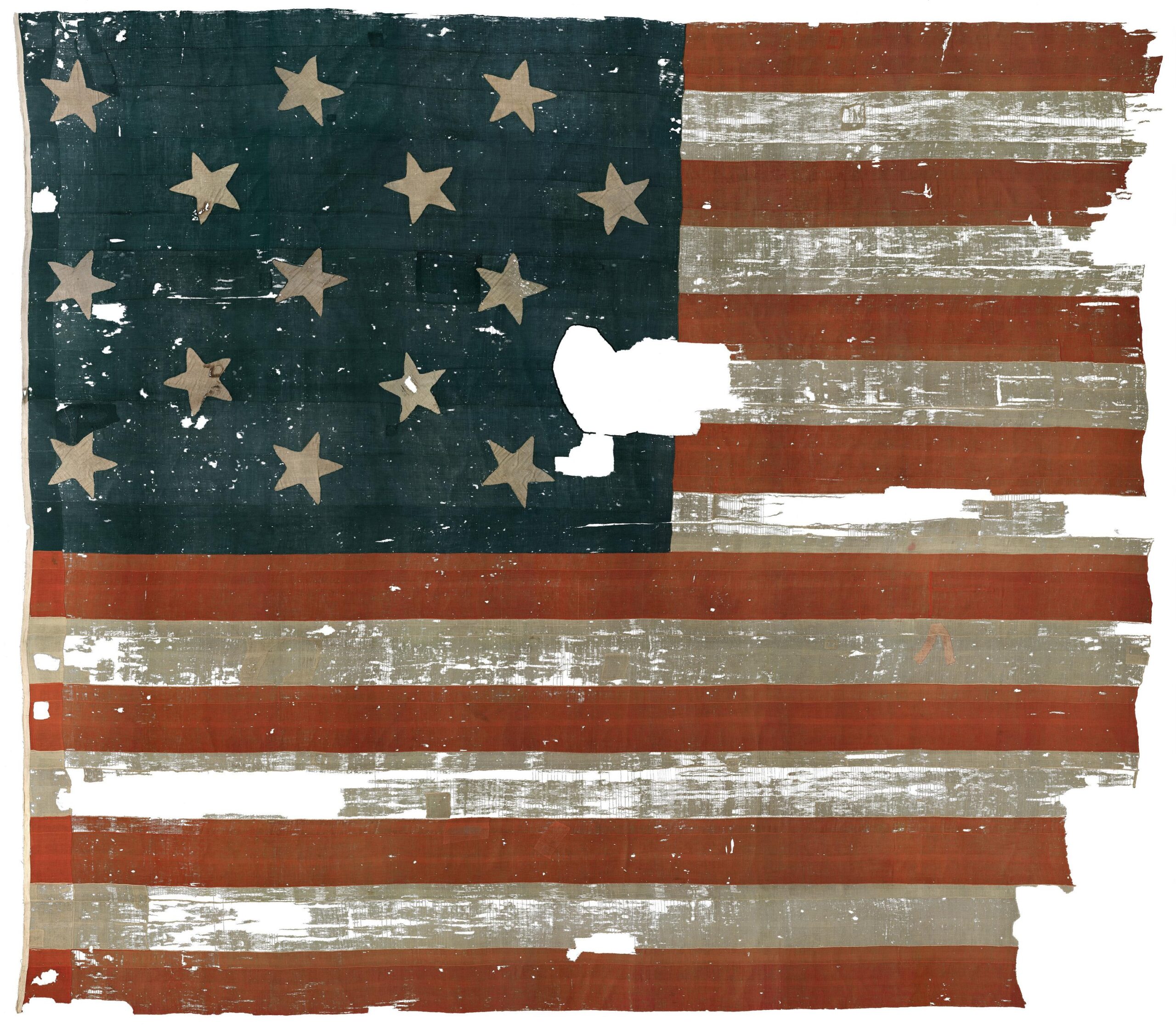
The meanings people quote are real, they are just borrowed from a different document five years later. That gap is the interesting part, and it changes how much weight the familiar phrases can carry.
The 1777 resolution said almost nothing
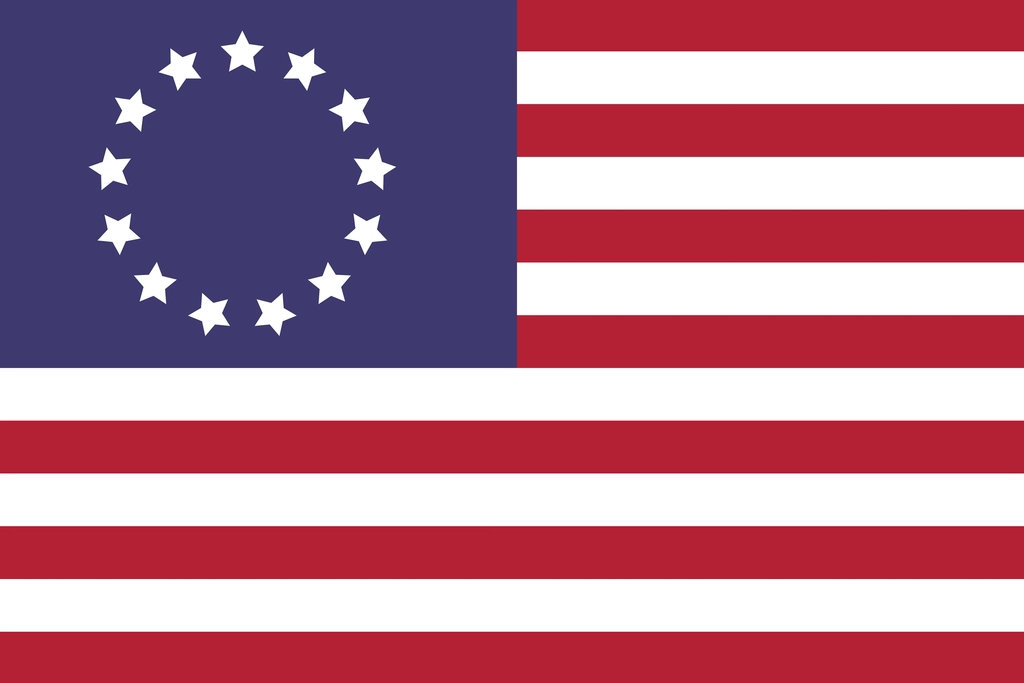
The Flag Resolution of 14 June 1777 is startlingly short. It set thirteen stripes alternating red and white, and thirteen stars, white on a blue field. That is close to the whole of it.
No explanation was recorded for why those colors were chosen. No symbolism was attached. There is no surviving note from the Continental Congress explaining the thinking, which is why historians have argued about it ever since.
Where the color meanings actually come from
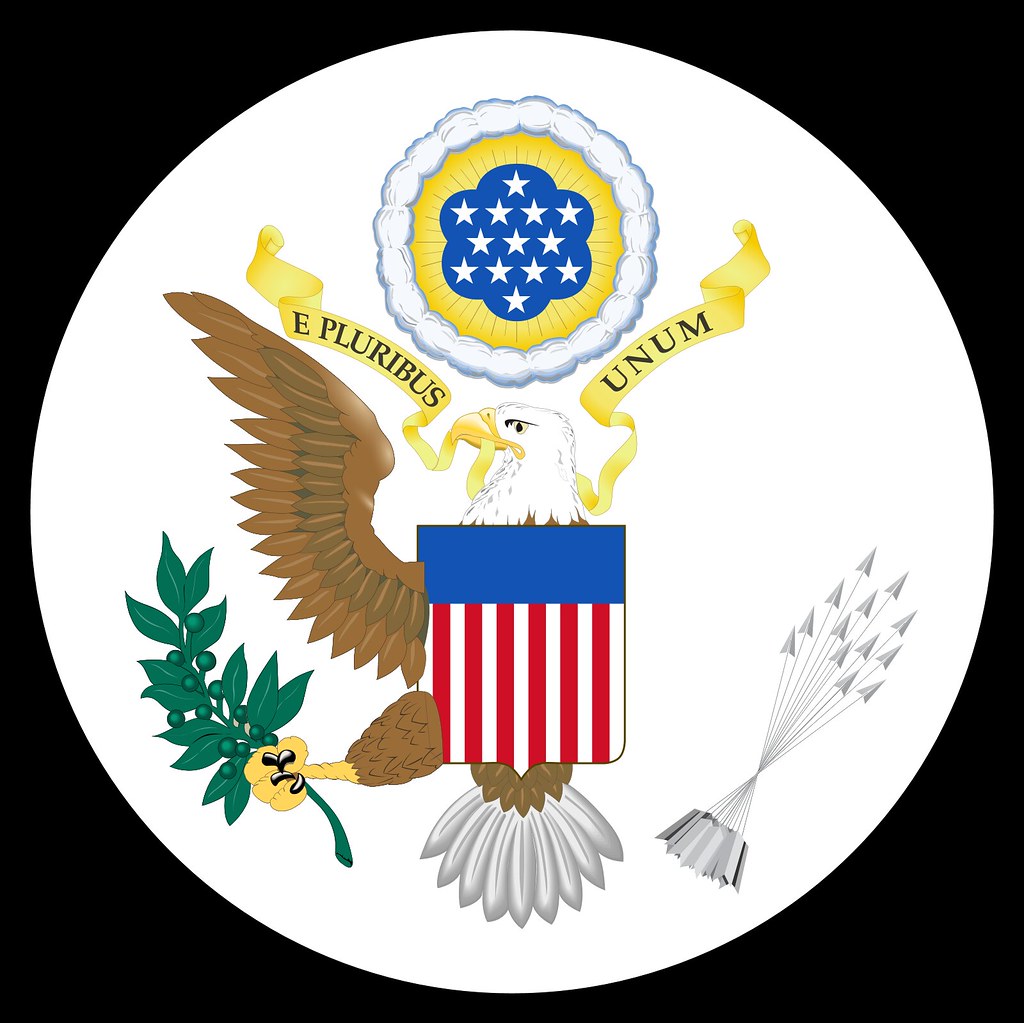
In 1782, Charles Thomson, secretary of the Continental Congress, finished the design of the Great Seal of the United States and wrote an explanation of it. Congress adopted that description on 20 June 1782. Thomson’s own wording was that white signifies purity and innocence, red signifies hardiness and valour, and blue, the color of the chief, signifies vigilance, perseverance and justice.
Those are the meanings now printed on every classroom poster. They were written about the Seal, not the flag. Thomson did note that the Seal’s colors were taken from the flag, which is the thread people follow when they apply them backwards.
So the honest version is this: the meanings are genuine, they are official, and they were assigned to the national arms rather than to the flag itself. Anyone who tells you the Founders chose red for valor in 1777 is a few years early.
Why there are thirteen stripes and not fifty
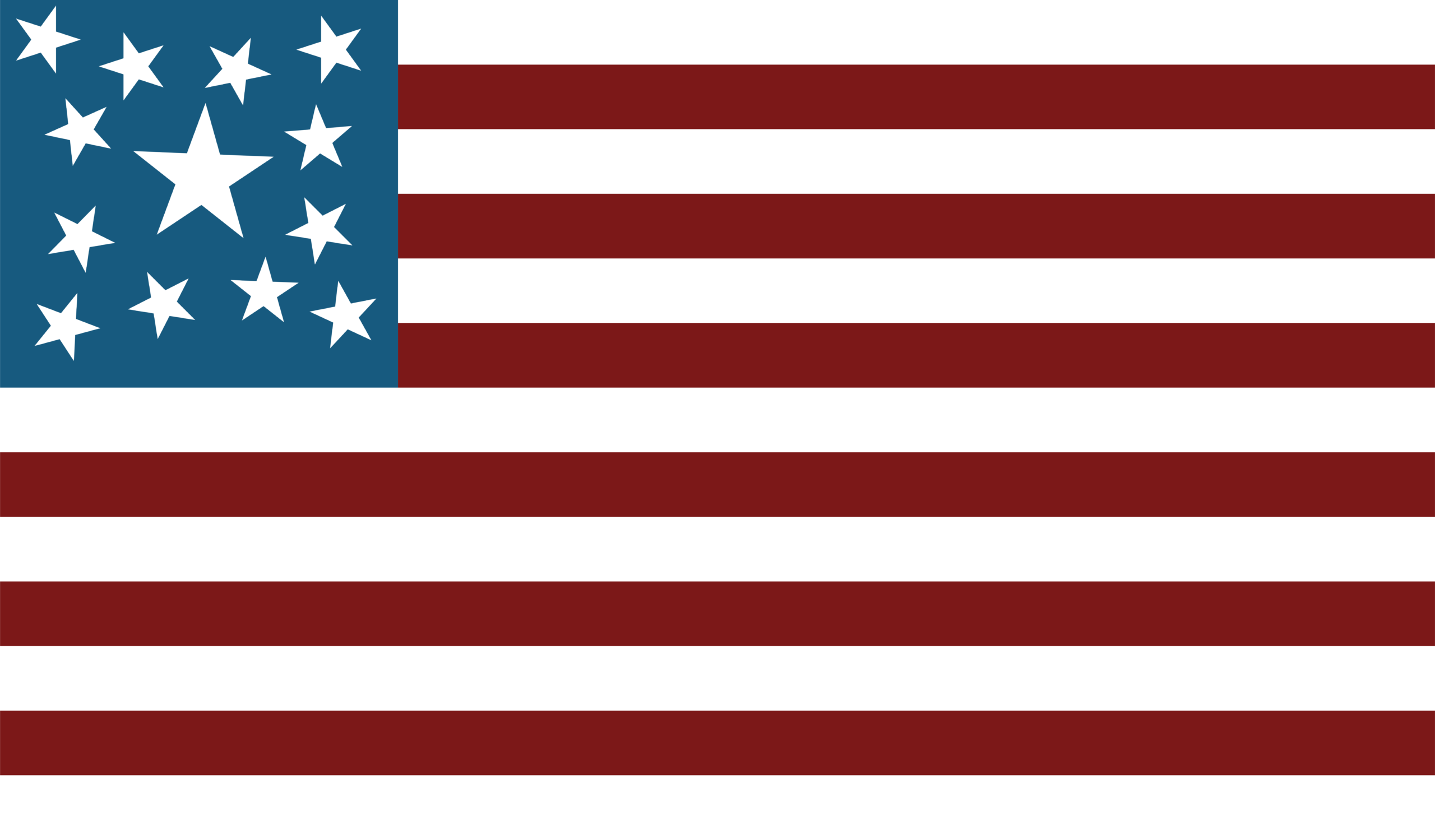
The stripes stand for the thirteen colonies that became the first states. The stars carry the count.
It was not always that way. When Vermont and Kentucky joined in 1791 and 1792, the flag was redrawn with fifteen stars and fifteen stripes. That version flew from 1795 until 1818, which means the flag Francis Scott Key watched over Fort McHenry had fifteen stripes, not thirteen.
Congress eventually saw where that road led. Adding a stripe per state would have produced an unreadable flag by the 1850s, so the stripes were fixed back at thirteen and the stars were left to do the work.
The flag has been redrawn twenty seven times
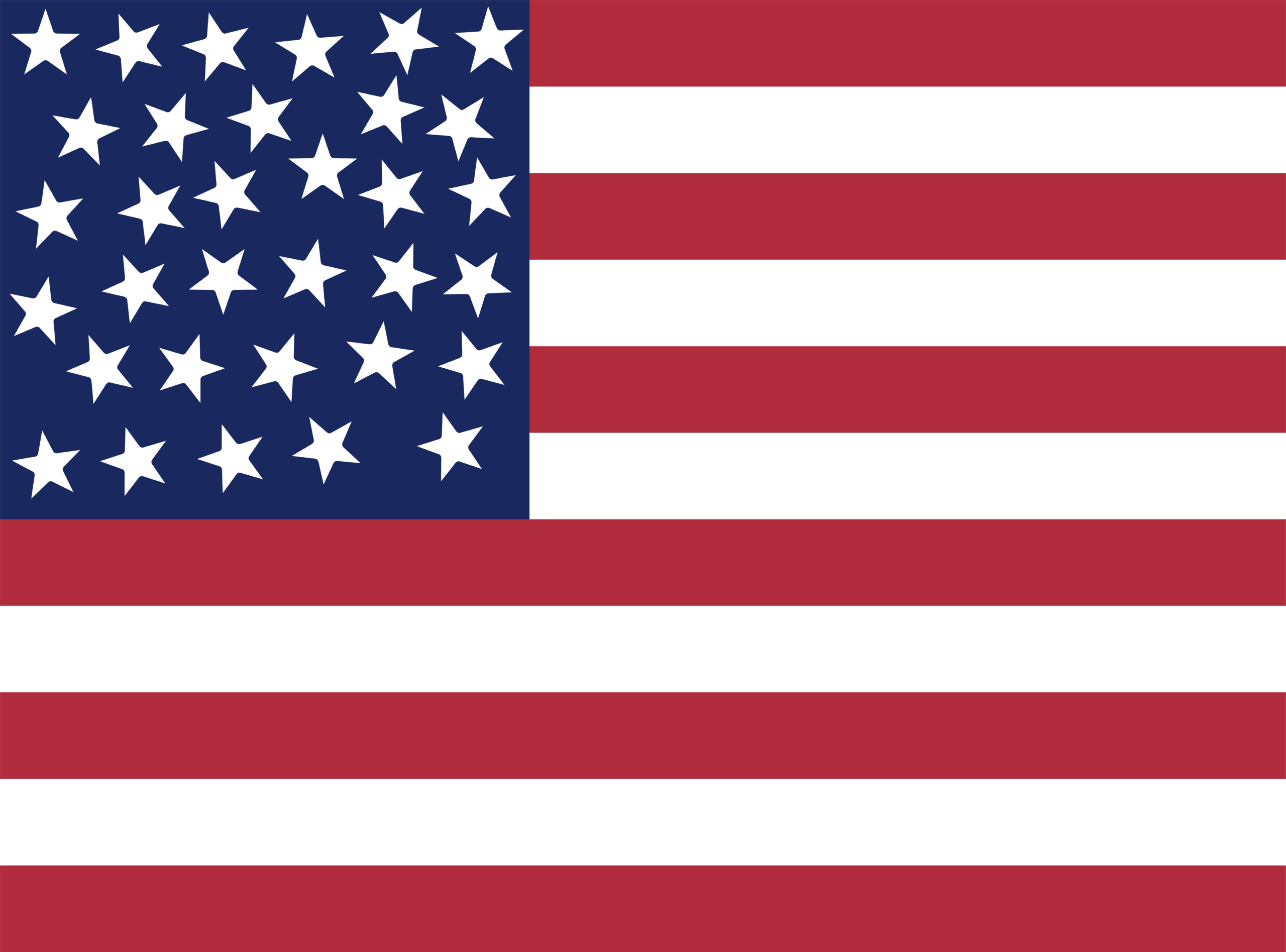
Since 1777 there have been twenty seven versions. Most of them lasted only as long as it took the next state to arrive.
This is the detail that tends to surprise people, because the flag is treated as a fixed and ancient object. It is better understood as a running tally that has been edited more often than most people are married.
The flag we use now was a high school project
In 1958 a junior at Lancaster High School in Ohio named Robert Heft guessed that Alaska and Hawaii were coming. For a class assignment he unpicked his parents’ forty eight star flag, cut fifty stars from iron on material and sewed on a new field, arranging them in five rows of six and four rows of five. It cost him $2.87 and more than twelve hours.
His teacher, Stanley Pratt, gave him a B minus and pointed out that there were not fifty states. Pratt added that he would reconsider if Washington adopted it.
Heft made eighteen calls and sent twenty one letters to the White House. Eisenhower chose his design, and it was raised on 4 July 1960. Pratt changed the grade to an A. Heft also drew up a fifty one star version in case another state arrived, which has not been needed yet.
That flag, designed by a sixteen year old for a grade he was unhappy with, is the one flying outside every post office in the country.
What this means if you are putting it on a shirt
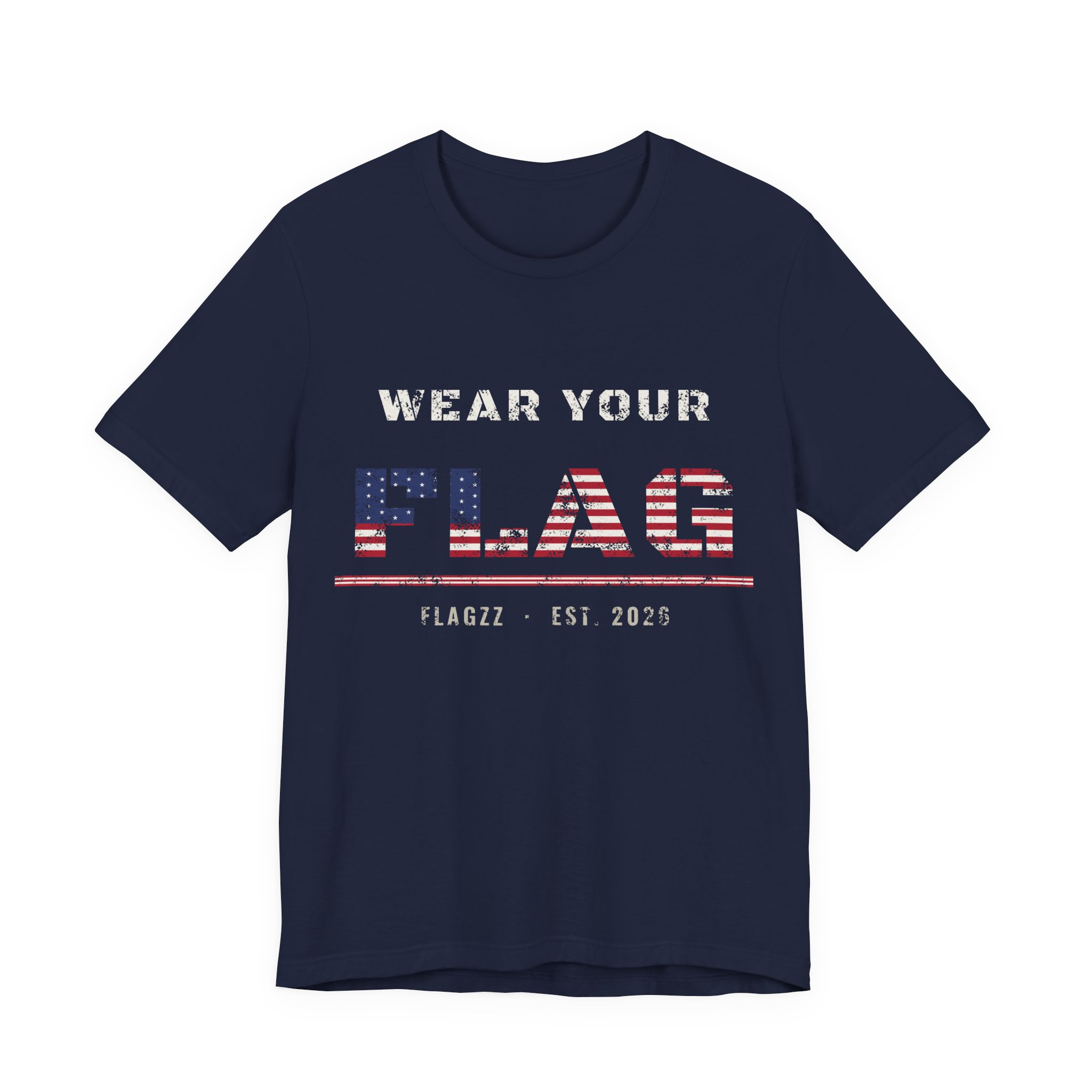
Knowing the colors were assigned later is useful rather than deflating. It means the flag’s meaning has always been added by the people using it rather than handed down fixed, which is a fair description of how a flag works anyway.
It also argues for restraint in a design. Our Flag Classics range draws the flag as artwork rather than reproducing it literally, which reads better on fabric and sidesteps the etiquette questions covered in how to display the American flag. If you want the story behind another phrase that turns up constantly on flag apparel, we wrote about what 1776 on a shirt means.
Frequently asked questions
What do the colors of the American flag mean? Red is hardiness and valour, white is purity and innocence, blue is vigilance, perseverance and justice. Those meanings come from Charles Thomson’s 1782 description of the Great Seal, not from the 1777 flag resolution.
Why are there thirteen stripes? They represent the thirteen original colonies. The count briefly rose to fifteen between 1795 and 1818 before being fixed back at thirteen.
How many versions of the flag have there been? Twenty seven since 1777.
Who designed the fifty star flag? Robert Heft, as a high school project in Ohio in 1958. It was adopted and first raised on 4 July 1960.
Did Betsy Ross design the first flag? The story comes from her grandson William Canby, who presented it to the Historical Society of Pennsylvania in 1870, some ninety three years after the fact and thirty four years after her death. There is no contemporary documentation of it, and most historians treat it as family tradition rather than established history.