
Every November a quiet panic goes round offices, group chats and checkout queues. Someone wants to acknowledge the veteran in front of them, cannot think what to say, and settles on the safest thing available. Then they wonder if they got it wrong.
So here is the plain answer, followed by the reasons, the one date mistake that actually causes offence, and what veterans themselves say they would rather hear.
Is it OK to say happy Veterans Day?
Yes. Veterans Day honours living people who served and came home. Wishing them a happy one is appropriate, and most veterans will take it in the spirit it was meant.
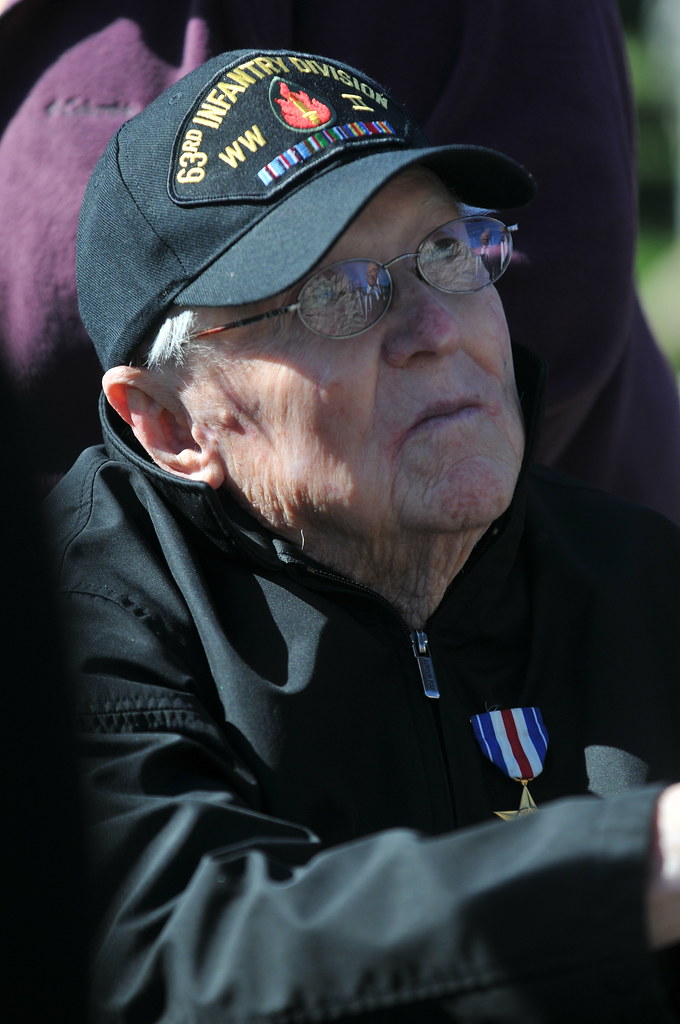
The word happy only becomes a problem on a different day in May. That is the distinction worth learning, and it takes about ten seconds.
Veterans Day and Memorial Day are not the same day
This is the mistake that stings, and it is the only one in this article that genuinely upsets people.
- Veterans Day, 11 November. For everyone who served and is still here. Celebration is the point. Happy Veterans Day is fine.
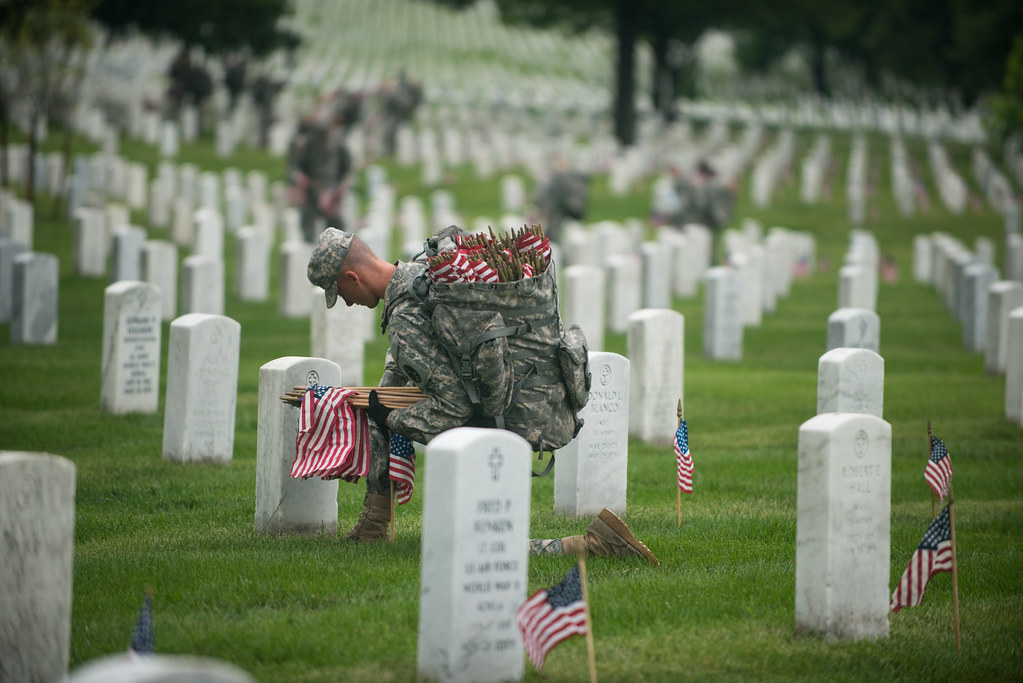
- Memorial Day, the last Monday in May. For the people who died in service. It is a day of mourning. Happy Memorial Day lands badly, because the families standing in those cemeteries are not celebrating anything.
Get those two the right way round and you have cleared the bar that most people trip over. Say happy Veterans Day in November with no hesitation at all. In May, say nothing cheerful to a family wearing a gold star.
There is a third one people forget. Armed Forces Day, the third Saturday in May, is for those currently serving. Veterans Day is for those who have finished.
What veterans say they would rather hear
Thank you for your service is not offensive. It is just worn smooth. It has been said so many times, by so many people who then had nothing to follow it with, that for a lot of veterans it now closes a conversation instead of opening one.
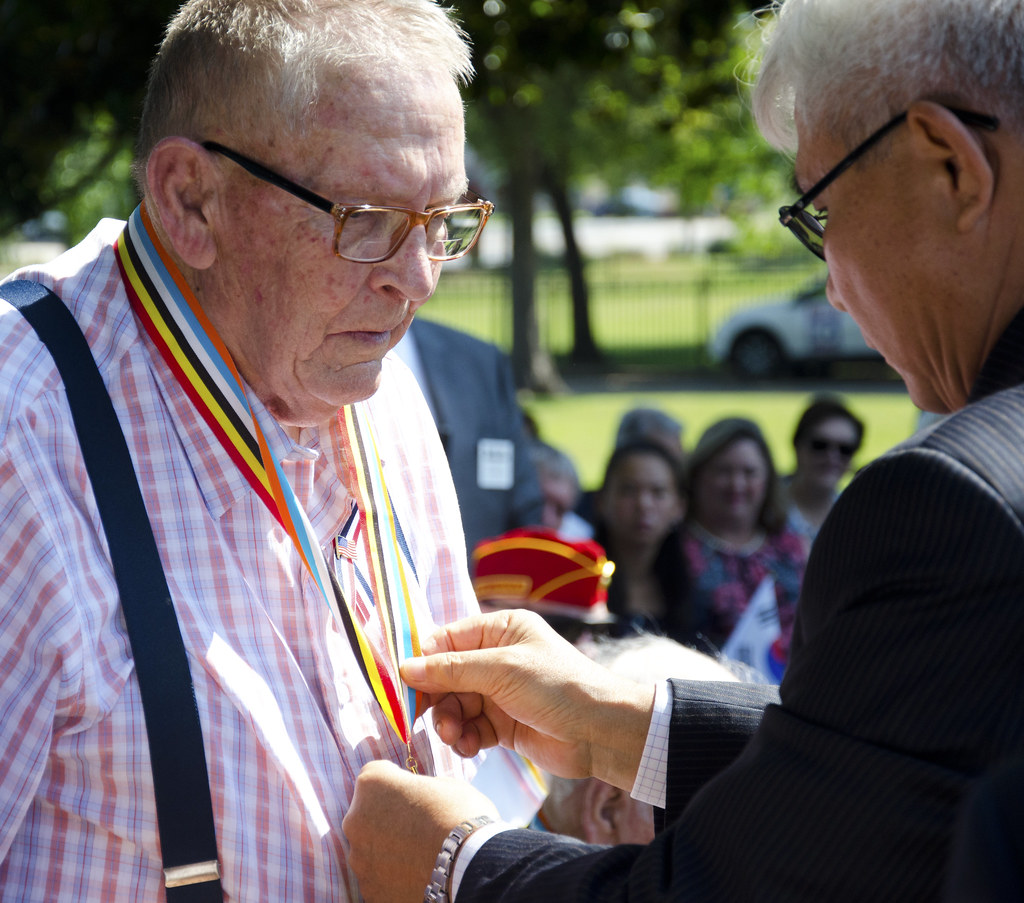
The survey evidence is useful here, with the caveat that it was commissioned by advocacy groups and the numbers move between years and samples. In a 2019 poll by the Cohen Veterans Network, roughly half of veterans said they felt uneasy being thanked that way. The same research found what they preferred instead, and it was not a different phrase. It was a question.
- What was your job while serving? Preferred by 73 percent.
- When did you serve? Preferred by 71 percent.
- Where were you stationed? Preferred by 71 percent.
Look at what those three have in common. Every one of them treats the person as someone with a story rather than a category. A veteran who spent six years fixing helicopters in Germany has a completely different life behind them than one who did a tour in Helmand, and the question lets them tell you which.
A 2023 survey by USAA, carried out by Endeavor Analytics and YouGov, found the discomfort is not spread evenly. Close to 70 percent of younger veterans said the thanks felt awkward, against 24 percent of those aged 65 and over. If you are speaking to a World War Two or Korea generation veteran, the traditional line usually lands well. If you are speaking to someone in their thirties, a question will land better.
Things that are safe to say
If you want something warmer than a question to open with, these work:
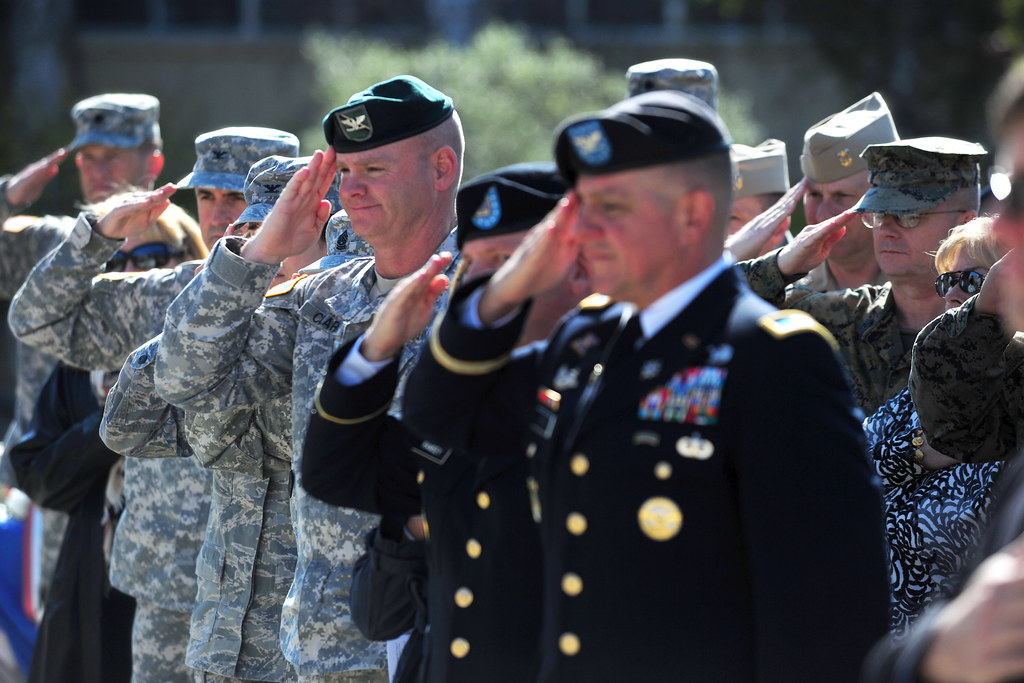
- Happy Veterans Day.
- I appreciate you and the sacrifices your family made.
- Thank you, and I would like to hear about it if you ever want to tell me.
- Nothing at all, followed by paying for their coffee.
That last one is not a joke. When the Cohen Veterans Network asked how veterans actually liked to be honoured, the answers that came top were practical: flying a flag, giving to a veterans organisation, and buying a veteran a meal. Actions outscored words.
What not to say
A short list, and the reasoning matters more than the rule:
- Did you kill anyone? It is asked more often than you would believe. Do not.
- Happy Memorial Day in May, to anyone.
- Calling a veteran a hero to their face. Many find it uncomfortable, because the people they consider heroes did not come home.
- Thanking someone currently serving for their service on Veterans Day. Not wrong exactly, but Armed Forces Day in May is theirs.
Veterans Day has no apostrophe, and that is deliberate
It is Veterans Day. Not Veteran’s Day, and not Veterans’ Day.
The Department of Veterans Affairs is explicit about it. An apostrophe would make the day belong to veterans, as a possession. The holiday is not owned by them; it is a day for honouring them. Grammatically the word is doing the work of an adjective, describing which day it is, in the same way that a drivers licence office is not an office belonging to drivers.
Small thing. It appears on an enormous number of signs, emails and social posts every November, and veterans do notice.
How 11 November was chosen, lost, and taken back
The date is not arbitrary and it was very nearly thrown away.
Fighting on the Western Front stopped at the eleventh hour of the eleventh day of the eleventh month in 1918. An act of Congress approved on 13 May 1938 made 11 November a legal holiday, named Armistice Day, and dedicated it to the cause of world peace.
After the Second World War and Korea, a holiday built around one war no longer fitted. President Eisenhower signed the change on 26 May 1954, and on 1 June that year Congress struck out the word Armistice and put in Veterans.
Then it moved. The Uniform Monday Holiday Act of 1968 shifted the observance to the fourth Monday in October to manufacture a long weekend, and the first one fell on 25 October 1971. It went badly. Many states simply refused and carried on marking 11 November, because a date chosen for the minute the guns stopped does not transfer to a convenient Monday.
Congress gave way. Public Law 94-97, approved on 18 September 1975, put the holiday back on 11 November, with the restored date taking effect from 1 January 1978. It has stayed there since. In 2026 it falls on a Wednesday.
If you want to do more than say something
The most common regret people describe is not saying the wrong words. It is realising afterwards that they never asked, and that the person who could have told them is gone.
If there is a veteran in your family, this is the week to ask where they were stationed and write down what they say. That outlasts anything you post.
And if you are the one who served, or the one who waited at home while someone else did, you already know the day has a strange shape to it. We make shirts and hoodies for both sides of that, with the wording chosen carefully and no reproduced emblems, seals or insignia, because those belong to the services and not to us. Our veterans and military range is there if you want a look.
Common questions
Is it OK to wish someone a happy Veterans Day?
Yes. Veterans Day honours living people who served and returned, so a cheerful greeting fits the day. The phrase to avoid is happy Memorial Day in May, which is a day of mourning for those who died in service.
Is it Veterans Day, Veteran’s Day or Veterans’ Day?
Veterans Day, with no apostrophe. The Department of Veterans Affairs explains that an apostrophe would imply the day belongs to veterans. It is a day for honouring them rather than one they own, so the word functions as a description of the day.
What do you say to a veteran on Veterans Day?
Ask a question rather than reaching for a phrase. Research by the Cohen Veterans Network found veterans preferred being asked what their job was while serving, when they served, and where they were stationed, over a general thank you.
Is it wrong to say thank you for your service?
It is not wrong, and plenty of veterans are glad to hear it. It has simply been said so often that it can end a conversation rather than start one. Age matters too: a 2023 USAA survey found close to 70 percent of younger veterans felt awkward hearing it, against 24 percent of those aged 65 and over.
What is the difference between Veterans Day and Memorial Day?
Veterans Day on 11 November is for everyone who served and is still living. Memorial Day, the last Monday in May, is for those who died in service. Armed Forces Day in May covers those currently serving.
Why is Veterans Day on 11 November?
Fighting on the Western Front stopped at the eleventh hour of the eleventh day of the eleventh month in 1918. Congress made the date a legal holiday on 13 May 1938, and although it was briefly moved to October from 1971, Public Law 94-97 returned it to 11 November with effect from 1978.